Kotor, Montenegro: The Honest Brits Guide
by The Floating Nomads
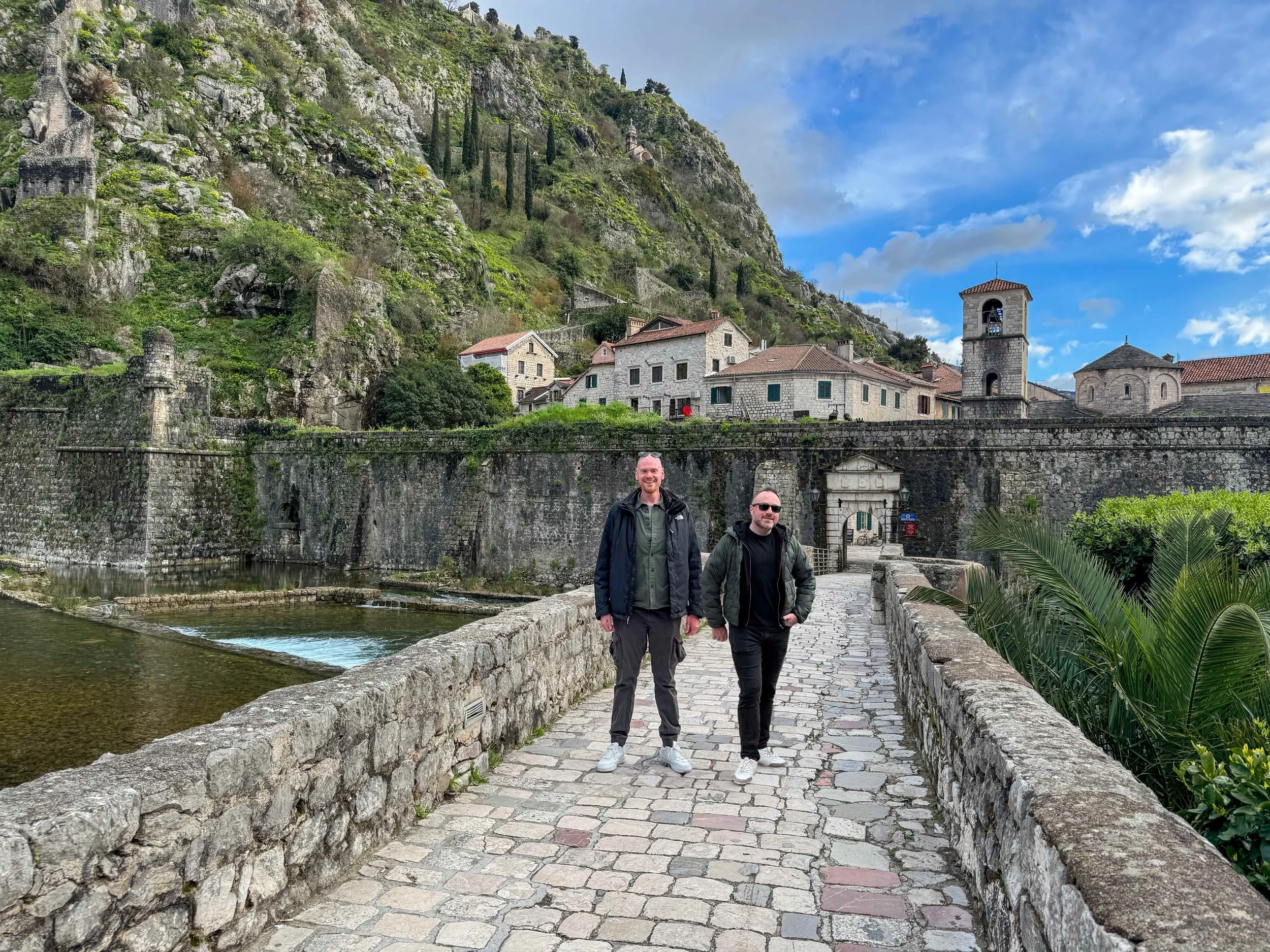
Half the old town was destroyed in ten seconds. Then UNESCO saved it. And that is only the second most surprising thing about this place.
Kotor is a medieval walled city on the Adriatic coast of Montenegro, tucked inside one of the most dramatic bays in Europe. If you are planning a trip to Kotor and want to know what it is actually like to visit - what to do, what to skip, how long you need, whether the fortress climb is worth it and what the bay looks like from the water - this is the guide we wish we had before we went.
We stayed for two weeks, explored the old town on foot, climbed the 1,350-step fortress, went out into the Bay of Kotor by boat and visited the Venetian village of Perast by road. We were there in late winter, which gave us a very different experience to a summer cruise ship visit. Both are worth understanding before you book.
What to Expect
Kotor old town is small, perfectly preserved and genuinely atmospheric. The walls are up to 16 metres thick in places, built to absorb cannon fire from the bay. The streets inside are deliberately narrow and maze-like, designed so that invading armies would get lost. You will probably get briefly lost too. This is fine. The old town is compact enough that you cannot stay lost for long, and getting turned around is half the charm.
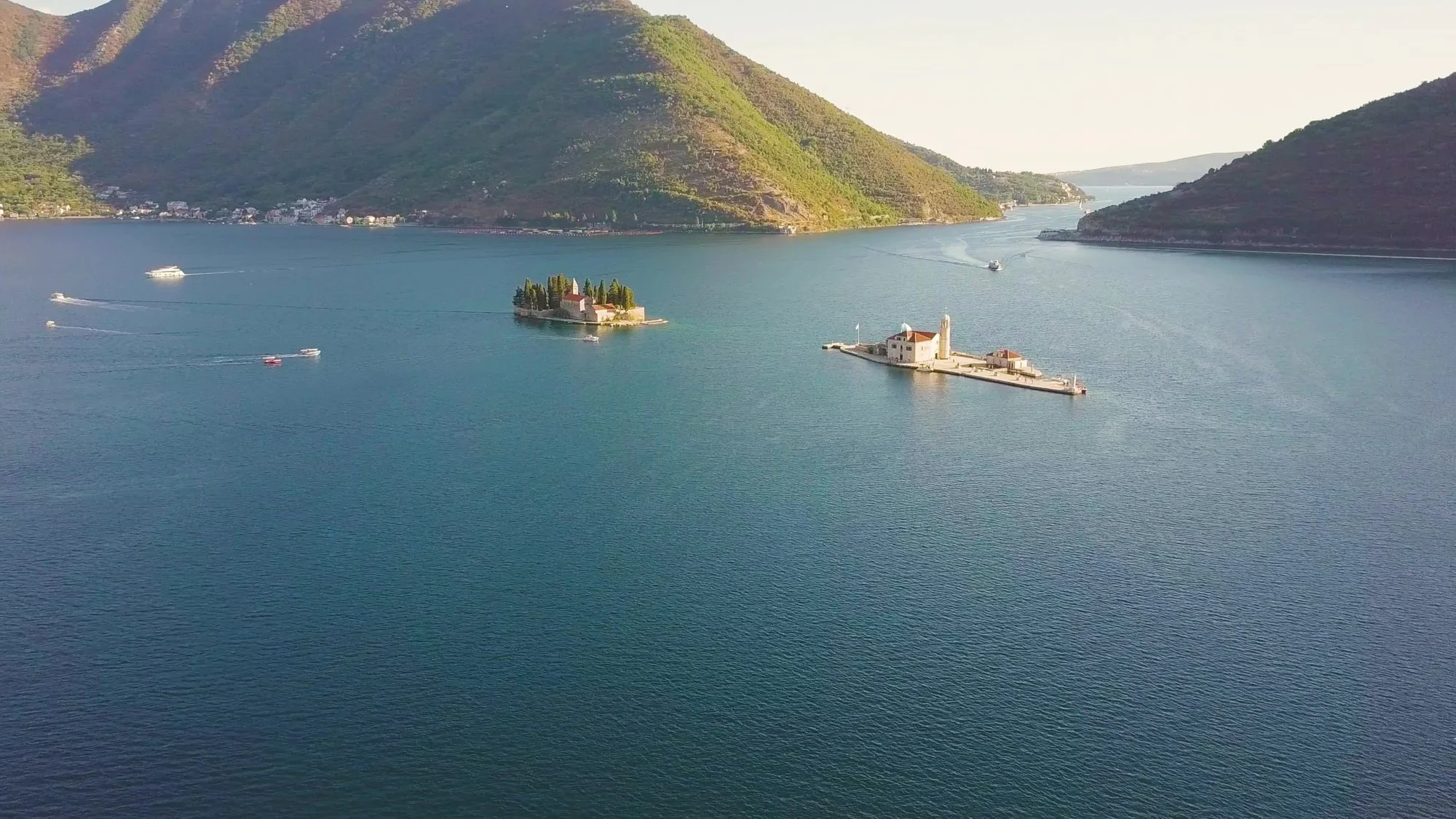
The bay itself is not a fjord, despite looking exactly like one. It is technically a ria: an ancient river canyon flooded by the rising Adriatic. The peaks rise almost 2,000 metres and drop almost vertically into the water with no transition. The whole place has a slightly theatrical quality that photographs cannot quite capture. It needs to be seen from the water to be fully understood, which is why the boat tour is not optional.
Kotor is also one of those places that transforms completely depending on when you visit. Out of season it is quiet, uncrowded, and cheap. When a cruise ship is in port, the old town fills within an hour of docking. Both versions of Kotor are real. Only one of them is relaxing.
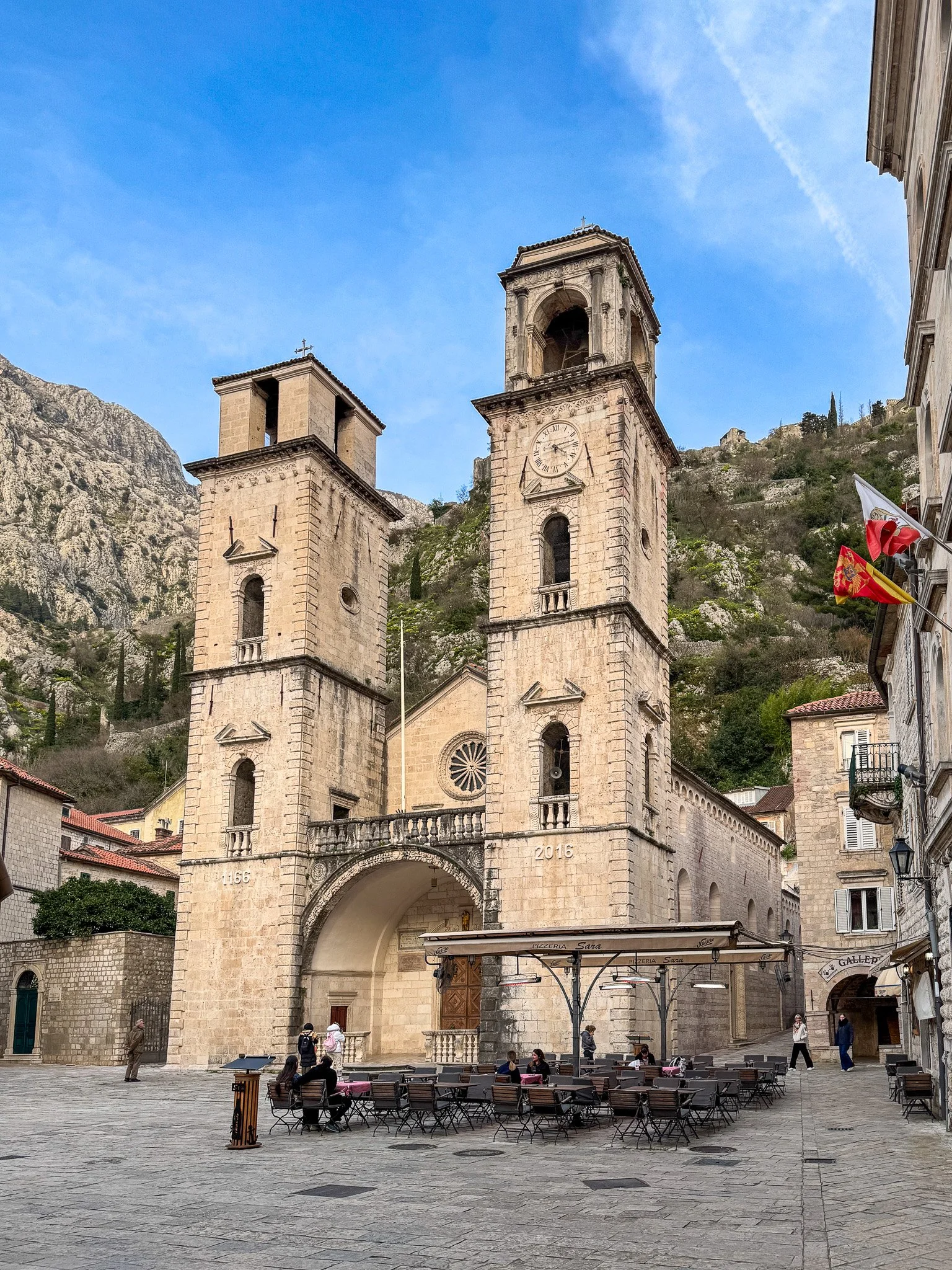
The UNESCO Story
In 1979, an earthquake struck just off the Montenegrin coast and lasted ten seconds. Across Montenegro, 150 people died. In Kotor, half the old town was destroyed.
Kotor had already applied for UNESCO World Heritage status before the earthquake. UNESCO responded by adding Kotor to two lists simultaneously: the World Heritage List and the World Heritage In Danger List. The second listing unlocked reconstruction funding. The city was rebuilt stone by stone over a decade, this time with earthquake-resistant reinforcement built into the structures.
The 1979 listing predates Rome's Palatine Hill, Stonehenge, the Acropolis and much of Venice's historic centre on the same list. This is the fact that sounds wrong until you look it up. We did!
The Fortress Climb
There are 1,350 steps cut into the mountain above the old town leading to the ruined fortress of San Giovanni at the top. It takes roughly an hour each way.
In high season the entry fee is €15. Out of season it is free.
This is not a gentle walk. Some sections are well maintained; others are loose, steep and exposed, with no handrail and significant drops on one side. There are signs marking an increased risk zone partway up. These are not decorative. The descent is harder than the ascent. Wear proper shoes, go early or late to avoid the midday sun, and bring water.
The view from the top is excellent, but the view from about a third of the way up is arguably better: the red rooftops of the old town spread out below you with the full bay behind. You do not have to reach the top to make the climb worthwhile.
The Bay by Boat
The boat tour is the thing most first-time visitors underestimate. The bay from the road is impressive. From the water, looking back at the mountains dropping into the Adriatic, it is genuinely one of the most spectacular things we have seen anywhere in Europe.
The tour covers a manmade island built over centuries by sailors dropping stones after every safe return from sea, Cold War submarine tunnels carved directly into the limestone cliffs and camouflaged from aerial surveillance, and a sea cave where the water turns an intense turquoise on a sunny day. You will cross open sea to get there and you might get wet. It is worth it.
We used the operator at montenegrosubmarine.me and would recommend them without hesitation.
Frequently Asked Questions
Is Kotor worth visiting? Yes, without hesitation. The combination of the walled old town, the bay, the UNESCO history and the surrounding mountains makes it one of the most visually distinctive destinations in Europe. The fortress climb and the boat tour both deliver on their promise.
How long do you need in Kotor? Two full days is the minimum to do it properly: one for the old town and fortress, one for the bay by boat. Three days gives you time to visit Perast, recover from the fortress descent and actually sit in the old town without rushing. We stayed a week and did not run out of things to do.
Is Kotor in the Schengen zone? No. Montenegro is not a member of the Schengen Area, which means a stay in Kotor does not count toward your 90-day Schengen allowance. This makes it a useful stop if you are managing Schengen days on a longer European trip.
When is the best time to visit Kotor? Shoulder season - April to May or September to October - gives you the best combination of weather and manageable crowds. Peak summer (July and August) is busy and hot. Winter is quiet and very cheap, but some businesses close and the weather is unpredictable. We were there in late winter and found it close to ideal.
Is the fortress climb suitable for everyone? Not quite. The lower sections are manageable for most people, and the view from a third of the way up is genuinely rewarding. The upper sections are loose, steep and exposed. Anyone with significant knee, joint or balance issues should think carefully before committing to the full climb, and particularly the descent.
Do I need a car in Kotor? Not to see the old town and bay. The old town is entirely on foot. Taxis via the Viber app are cheap and reliable for getting to Perast or elsewhere along the coast. Buses run along the coast for €2 but are unreliable on Sundays.
What is the local food to try in Kotor? Order the Cattaro Piadina with Sausages at Pub AS in the main square. Mixed meat sausages on thick, fluffy flatbread with mustard, aioli and fries. €12.50, share it between two. It is the dish everyone at the next table has
Key Facts
Currency: Euro
Language: Montenegrin; English widely spoken in tourist areas
Schengen: No. Montenegro is not in the Schengen zone
Fortress entry: €15 in high season, free out of season
Large beer in the old town: €4.20 to €5.30
Boat tour operator: montenegrosubmarine.me
Taxi app: Viber (message Red Taxi)
Nearest airport: Tivat (TIV), around 30 minutes from Kotor. Dubrovnik (DBV) in Croatia is around 90 minutes but often has more flight options
Watch Our Films
Download The Honest Brits Guide to Kotor
We have put together a full guide covering the fortress climb in detail, the complete boat tour breakdown, where we ate and drank, where we stayed, what we would do differently and what nobody tells you before you go. Drop your email below and we will send it straight to you.